
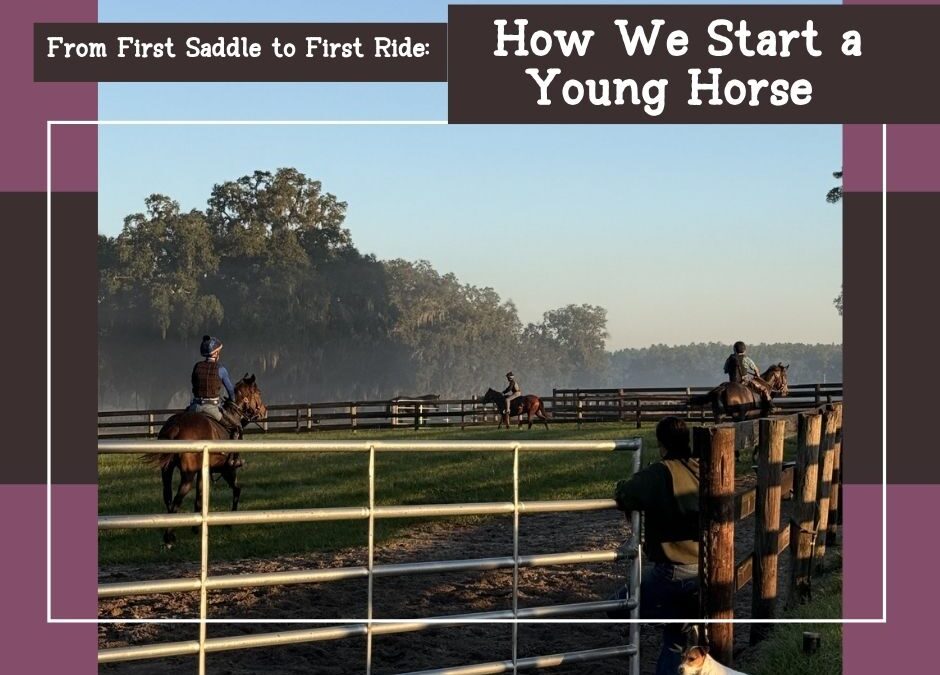
Every young racehorse has a first day. The first time wearing a saddle. The first time feeling a rider on its back. The first time jogging around the field.
At horseOlogy, we call this "starting." Some people call it "breaking." We don't. That word makes it sound like something gets broken, and our goal is the opposite. We want to build a horse up so it is calm, confident and ready to learn.
Here's what starting looks like on our farm in Ocala.
It Begins on the Ground
Before anyone climbs on, a young horse learns a lot from the ground. How to lead. How to stand still to be brushed. How to pick up its feet. How to wear a bridle.
These sound like small things. They're not. A horse that trusts people on the ground is a horse that trusts people in the saddle.
Getting Used to the Gear
Next comes the tack. First a soft pad. Then a surcingle, which is a wide strap that goes around the horse's belly. Then a real saddle.
We go slow. Some horses shrug it off on day one. Others need a few days to decide it isn't scary. Both are fine. We let the horse set the pace.
Long-Lining: Learning to Steer
Long-lining is one of our favorite steps. A person walks behind the horse holding two long reins. The horse learns what it means to go forward, turn left, turn right and stop, all before anyone is on its back.
Think of it like training wheels on a bike. By the time a rider gets on, the horse already knows the basics.
The First Ride
The first ride is quiet on purpose. A rider leans across the horse's back first. Then sits up. Then walks a few steps. Often, that's it for the day.
No big moments. No drama. Just a good, calm day the horse can build on tomorrow.
Building Day by Day
From there, it's small steps. Walking. Then jogging. Then the first gallop steps. Plenty of time out in the paddock just being a horse. Hand walks to cool down and relax.
Every horse moves at its own speed. Our forewoman and riders watch each one closely and change the plan when they need to. They know these horses as individuals: who is brave, who is shy and who needs an extra day.
Fitness comes slowly, too. Young horses are still growing. Their bones and muscles get stronger every week. So we keep rides short at first and add a little more over time.
The goal is a horse that likes its job. A happy, confident horse learns faster and tries harder.
Why It Matters
A horse only gets one start. What it learns in these first weeks stays with it for life.
Whether we're preparing a young horse for a future sale, starting one for a client or getting one ready for the track, the foundation is the same. Patient. Correct. No shortcuts.

Follow Along
Starting season is one of the best times of year on the farm. If you'd like a front-row seat, subscribe to EverythingOlogy for more stories from the barn.
Want to be among the first to hear about our horses and ownership opportunities? Join our waitlist.
Owners and trainers: if you have a young horse that needs a good start, reach out. We'd love to talk.
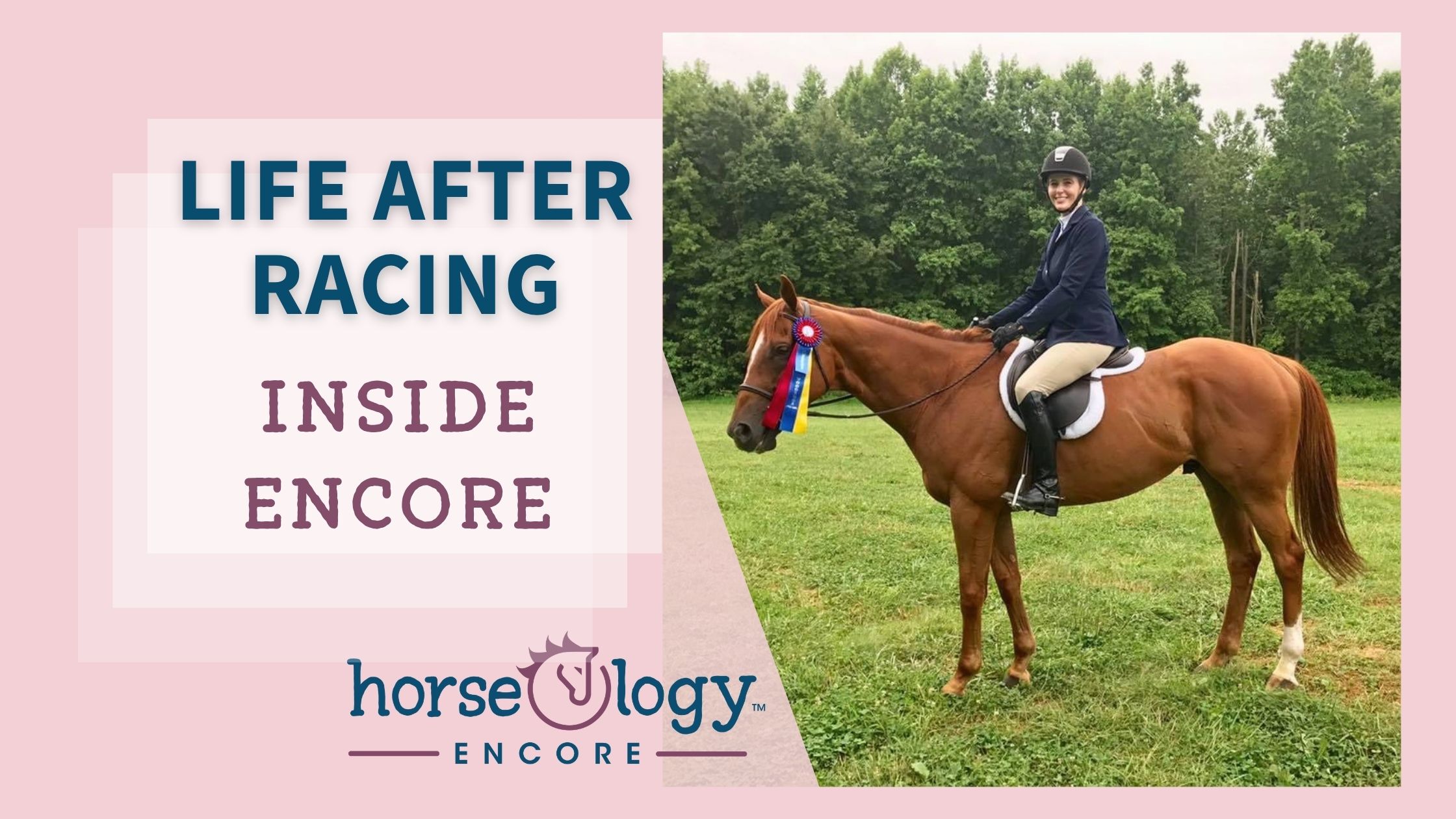
Life After Racing: Inside Encore for Retired Racehorses
Life After Racing: Inside Encore Every racehorse runs its last race someday. For some, it comes after a long career. For others, it comes early. Either way, a big question follows: what happens next? At horseOlogy, we believe every Thoroughbred deserves a good answer...
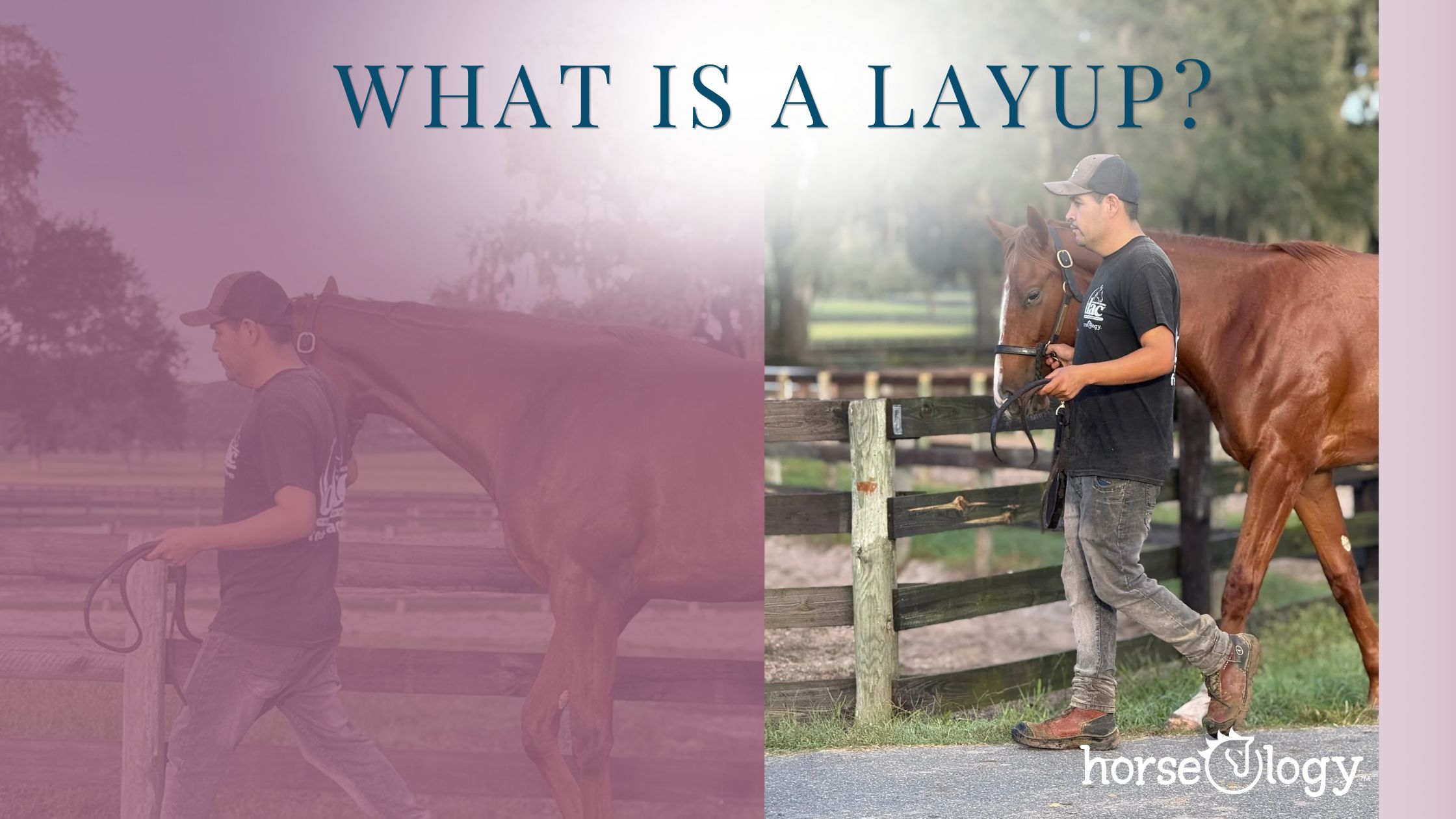
Horse Layup: Why Racehorses Need a Break
What Is a Layup? Why Racehorses Need a Break Racing is hard work. Racehorses train almost every day. They ship from track to track. They run hard, rest a little and do it all again. So, just like human athletes, racehorses need time off. In the horse world, we call...
Pinhooking vs. Ownership: Two Different Ways to Get Involved
If you've spent any time around the Thoroughbred world lately, you've probably heard people talk about "getting involved" with a horse. But that phrase can mean two very different things. Some people are talking about pinhooking. Others are talking about ownership....